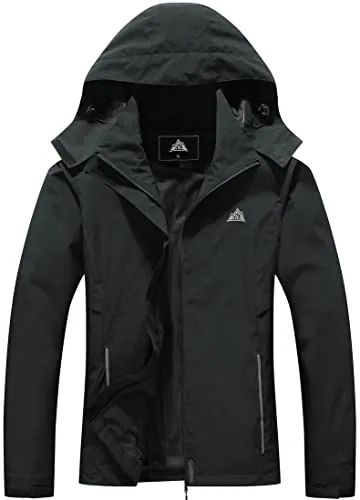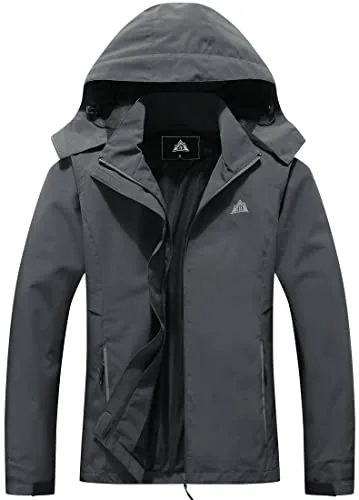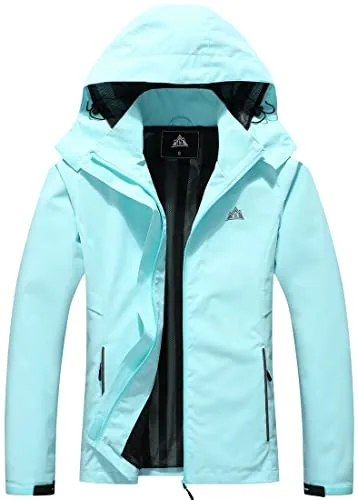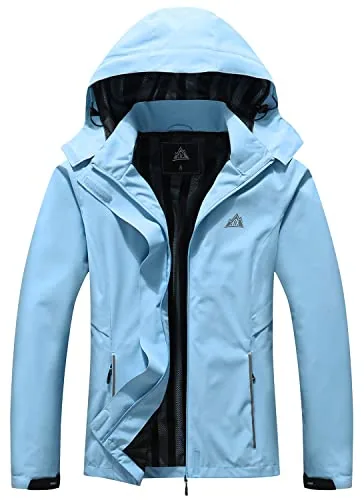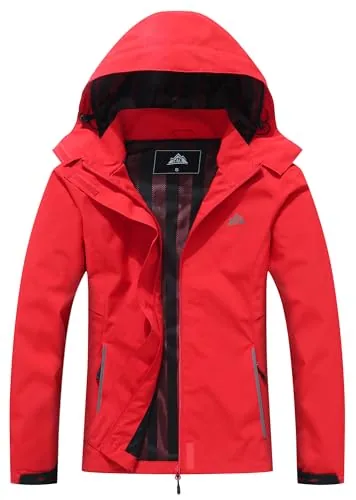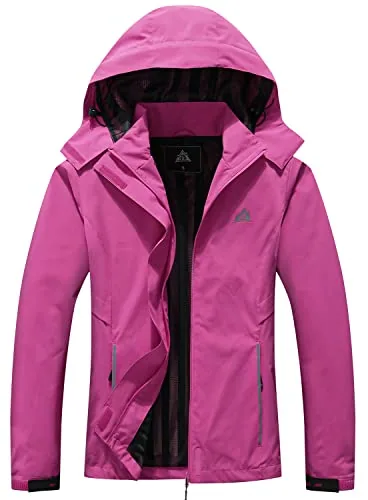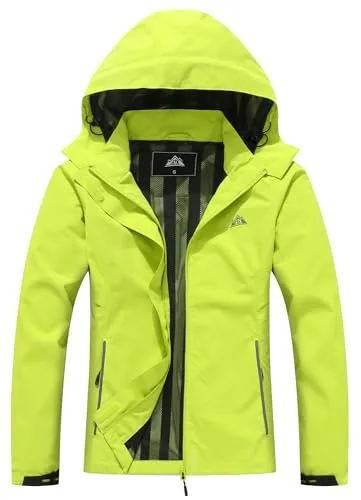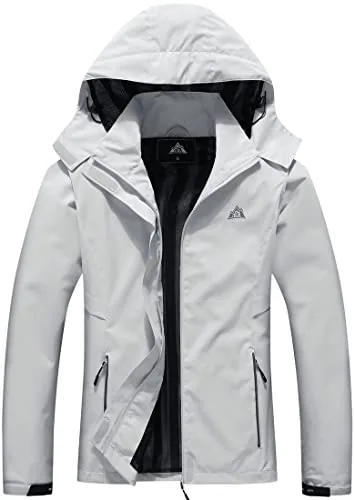
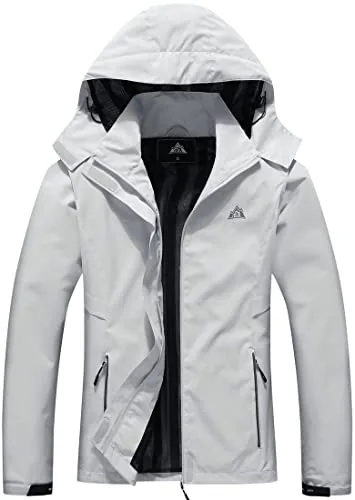
Hooded Rain Jacket, Light Gray
4.6 out of 5 from 3,156 ratings
$35.99
See the detailsAfter the purchase
A care label is not a suggestion, it is a regulated statement about regular care. Here is the federal rule quoted word for word, what it obliges a maker to tell you, and how that translates into keeping a padded, lined, hooded jacket doing its job for a second and third winter.
14 minute read · sources read 5 September 2026
4.6 out of 5 from 3,156 ratings
$35.99
See the details4.6 out of 5 from 3,156 ratings
$35.99
4.6 out of 5 from 3,156 ratings
$35.99
See the details4.6 out of 5 from 3,156 ratings
$35.99
See the detailsA jacket is an expensive thing to ruin in a washing machine, and for nearly fifty years the maker has had to tell you how to avoid it. The obligation sits in Part 423 of Title 16 of the Code of Federal Regulations, the Care Labeling Rule, and it applies to textile wearing apparel sold in the United States.
The rule starts with something so obvious it is easy to skip: the label has to be findable.
Manufacturers and importers must attach care labels so that they can be seen or easily found when the product is offered for sale to consumers. If the product is packaged, displayed, or folded so that customers cannot see or easily find the label, the care information must also appear on the outside of the package or on a hang tag fastened to the product.
16 CFR 423.6(a), Textile wearing apparel, read 5 September 2026
Findable before you buy, in other words, and not sewn into a seam you only meet at home. On a jacket the care label usually lives in the side seam or under the collar facing, and it is worth a look before the first wash rather than after.
The core sentence of the rule is one line long and does a great deal of work.
Care labels must state what regular care is needed for the ordinary use of the product.
16 CFR 423.6(b), Textile wearing apparel, read 5 September 2026
Three phrases are worth separating. Regular care, meaning the routine, not the rescue operation after a spilled drink. Ordinary use, meaning the use the garment is sold for, so a jacket sold for snow is expected to meet snow. And must state, which makes the instruction a claim the maker stands behind rather than a hint.
The rule then requires the label to pick a lane: a washing instruction or a drycleaning instruction, and to follow the detailed requirements for whichever it gives. If neither method works, the label has to say that too, in plain words, and the rule gives the example of a garment that cannot be successfully cleaned at all.
For outerwear this is the sentence that decides your winter routine. A jacket labelled for machine washing can go through a normal season of mud and salt. A jacket labelled dryclean only is a different kind of ownership: cheaper to buy, dearer to keep.
The rule does not stop at the instruction. Where a normal step would harm the garment, the label has to warn you off it, and the warning has to be specific rather than a general caution. In practice this is why a label reads “Do not bleach” or “Do not tumble dry” rather than “Handle with care”.
For a padded, lined jacket the warnings are usually the useful half of the label. The wash instruction is often unremarkable; the warning tells you the one thing that will destroy the garment, and it is almost always about heat.
We print what the maker's description states and nothing beyond it. Across the range, 20 of the 214 pages mention machine washing, 68 mention a down or padded fill and 70 carry a faux fur trim, which is the part most often ruined by a hot cycle.
| Bench | Pages | Mention machine washing | Padded or down fill | Faux fur trim |
|---|---|---|---|---|
| Ski & Snowboard Jackets | 48 | 0 | 0 | 0 |
| Winter Coats | 44 | 0 | 0 | 0 |
| Long Down Coats | 69 | 20 | 57 | 59 |
| Puffer Jackets | 16 | 0 | 11 | 11 |
| Rain & Softshell Jackets | 21 | 0 | 0 | 0 |
| Hiking Jackets | 16 | 0 | 0 | 0 |
The gaps in the third column are not a criticism of the jacket. They mean the description does not carry the care instruction, and the label on the garment is the authority. Where our page says nothing about washing, treat the physical label as the whole answer.
Assume the label allows a machine wash, and the rest is technique. An insulated jacket is not a jumper: it is a bag of air held in place by fabric, and every step below is about protecting that air.
One coat at a time, and nothing else in the drum. A jacket needs room to move for the water to reach the fill at all, and a full machine washes the outside of a bundle.
More jackets die in the dryer than in the wash. Two rules cover almost everything.
Heat kills loft and finishes. High heat melts and mats synthetic fill, and it strips whatever repellent treatment the face fabric carries. Where a label permits tumble drying, it will name a low or no-heat setting, and that instruction is not a formality.
Movement restores loft. A padded jacket dried flat comes out with the fill in clumps. Dried with movement, the clumps break up and the air comes back. Where a tumble dry is permitted, the standard trick is two or three clean tennis balls or wool dryer balls in the drum: they knock the fill apart as it dries.
Where the label forbids the dryer, hang the jacket on a broad hanger away from a radiator and give it a day or two, breaking up the fill by hand every few hours. Direct heat from a radiator does the same damage as a hot dryer, more slowly.
New winter jackets shed water in beads. After a season or two, the same jacket wets out: the face fabric darkens and soaks instead of beading. Owners usually read that as the jacket failing. Most of the time it is the surface being dirty rather than the fabric being finished.
Body oils, sunscreen, road salt and detergent residue all sit on the face fabric and hold water against it. A clean wash, following the label, restores a surprising amount of the original behaviour. Where a jacket carries a factory repellent finish, gentle warmth after washing helps it re-form, which is one reason labels that permit a low tumble dry say so.
What this catalogue will not tell you is how much water any given jacket resists, because no figure is published for the range. The maker's description uses the word waterproof on 194 pages; those are the maker's words, and the label guide explains why an unregulated word is not a measurement.
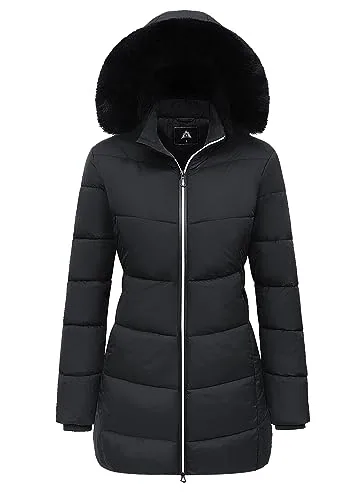
Synthetic pile mats when it is agitated hot and wet. If the trim unclips, take it off before washing and clean it separately by hand in cool water, then comb it out while damp with a wide-tooth comb. This is the single most effective care habit for a coat with a fur-trimmed hood, and 70 pages in this catalogue have one.
A jacket zip fails from grit, not from age. Rinse road salt off the slider, keep the teeth clear, and never force a slider past an obstruction: the fabric caught in it will tear, and a torn shell beside a zip is the hardest repair on a jacket.
Elastic and velcro at the cuff wear before anything else because they take every sleeve pull. Close velcro before washing so it does not catch and pill the shell.
The stress points on a coat are the pocket corners and the underarm. A stitch starting to open there is a ten-minute repair now and a new coat next winter.
Storage decides how a coat looks in October. Three rules.
| When | What to do | Why |
|---|---|---|
| Before the first cold week | Check zips, cuffs, pocket corners | small repairs are cheap in October |
| Mid-season, after salt or mud | Wash per the label, extra rinse | residue is what stops water beading |
| After the wash | Dry with movement, low or no heat | restores loft, protects the finish |
| End of season | Wash, dry fully, comb the trim | storing dirty is what ruins a coat in storage |
| Summer | Hang loose, out of the light | compression flattens fill permanently |
None of this is exotic and none of it takes an afternoon. It is the difference between a jacket that is warm for one winter and the same jacket being warm for four.
4.6 out of 5 from 3,156 ratings
$35.99
See the details4.6 out of 5 from 3,156 ratings
$35.99
4.6 out of 5 from 3,156 ratings
$35.99
See the detailsRoad salt is the least discussed enemy of winter clothing. It arrives as spray from traffic and as crystals from a gritted pavement, and it dries into the weave. There it does three things at once: it holds moisture against the fabric, it abrades fibres as the crystals work, and it corrodes metal hardware.
The visible sign is a pale tidemark around the hem and the lower sleeves after a dry spell. The right response is not a full wash every time. Sponge the affected area with cool water, let it dry away from direct heat, and save the machine wash for the mid-season clean.
Zip sliders deserve their own minute. A rinse under a cold tap and a dry with a cloth after a salty week will outlast any repair.
It helps to know which complaints are dirt and which are wear, because one is fixable at home and the other is not.
| Symptom | Usually means | What helps |
|---|---|---|
| Water soaks in instead of beading | dirty or contaminated face fabric | wash per the label, extra rinse, gentle warmth if permitted |
| Cold spots in a padded coat | fill has migrated or clumped | wash and dry with movement, break clumps by hand |
| Jacket smells after a wash | detergent residue in the fill | rewash with no detergent and an extra rinse |
| Shell darkens on the shoulders | sun fade or long compression | not reversible, store loose and out of light |
| Zip catches at one point | grit or a caught thread | clean the teeth, never force the slider |
| Faux fur mats and clumps | hot agitation | wash cool by hand, comb damp |
| Seam opening at a pocket corner | stress wear | stitch it now, before the shell tears |
The first row is the one worth remembering, because it saves the most money. A jacket that has stopped repelling water is usually a jacket that needs a wash, not a replacement.
A padded jacket has three failure points, and only one of them ends the garment.
Hardware is always worth repairing. A zip slider, a snap, a cord lock: all replaceable by any alteration shop for a fraction of a new coat.
Seams are usually worth repairing. An opening seam at a pocket or an underarm is a routine job while it is short. Left for a season, the same seam becomes a tear across the shell, and that is a different conversation.
Fill loss is the end. When the padding has thinned unevenly across the body after years of compression and heat, no wash brings it back. That is the point at which a jacket becomes a mid-layer for milder days rather than a winter coat, which is a decent second life.
Before replacing anything, check the obvious: the loft may be flat because the coat spent the summer in a vacuum bag, and one careful wash and dry with movement may bring most of it back.
The care a jacket needs depends less on its price than on the winter it works in, and the two common winters ask for opposite habits.
Rain more often than snow, temperatures around freezing, a coat that is damp more evenings than it is dry. The enemy here is the coat never fully drying, because a shell that goes into a cupboard damp comes out smelling and, over a season, with the lining marked.
The habit that fixes it is dull and effective: hang the coat where air moves, not on a radiator, and give it the night. Where a jacket has a detachable hood, take it off to dry, because a folded hood holds water at the seam for a day.
Snow rather than rain, hard cold, salt on every pavement. Here the coat dries itself and the enemy is the salt described above, plus static and dust in dry indoor air. Wash less often, sponge the hem more often, and check the zip weekly.
In both winters the mid-season wash matters more than any product you can buy for the fabric. Clean fabric behaves like new fabric for longer than most owners expect.
This site prints what the maker states. Where the description names a wash instruction, that appears on the jacket page. Where it does not, our page says nothing about washing, and the label sewn into the garment is the authority the rule quoted at the top of this guide was written to protect.
We do not publish a recommended detergent, a temperature in degrees or a re-proofing product for this range, because none is published for it and a guess would be worse than a gap. The steps in this guide are the ones that follow from the rule and from how padded synthetic garments behave, and they hold for any jacket of this construction.
If a label and a page ever disagree, follow the label. It is the statement the rule attaches to the garment itself.
4.6 out of 5 from 3,156 ratings
$35.99
4.6 out of 5 from 3,156 ratings
$35.99
4.6 out of 5 from 3,156 ratings
$35.99
See the details4.6 out of 5 from 3,156 ratings
$35.99
See the detailsThe size you need is the one that fits over your usual winter layer. Both numbers are printed, so the comparison takes seconds.